
Agriculture License in
Saudi Arabia
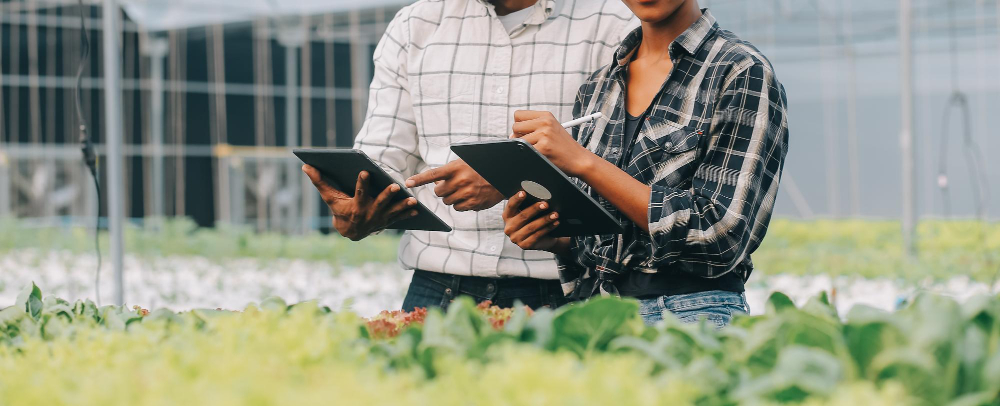
Saudi Arabia is opening new opportunities in agriculture as part of its Vision 2030 strategy. The government actively supports investors and entrepreneurs who want to contribute to local food production. Obtaining an agriculture license is the first step to entering this growing sector, enabling businesses to participate in projects ranging from crop farming to aquaculture.
At the same time, the Kingdom is embracing modern solutions to overcome its environmental challenges. Advanced irrigation systems, greenhouse technologies, and sustainable farming practices are transforming agriculture into a more efficient and profitable industry. These innovations not only boost productivity but also ensure long-term resilience, making Saudi Arabia a regional leader in desert agriculture.
Agriculture Market in Saudi Arabia at a Glance
- One of the largest agriculture markets in the Middle East
- Projected growth rate of nearly 5% annually (2023–2028)
- Contributes billions of SAR to the national economy each year
- Major crops include: wheat, barley, sorghum, tomatoes, cucumbers, onions, potatoes, citrus fruits, grapes, and dates
Significance
The Significance of the
Agriculture Industry in Saudi Arabia
Rural Development
Creates jobs and supports balanced growth across urban and rural areas.
Innovation
Promotes modern farming methods like hydroponics and greenhouse cultivation.
Heritage
Date palms and traditional crops preserve cultural identity and pride.